River Lea riverside rubbish clearance guide for Ware residents
If you live near the River Lea in Ware, rubbish tends to show up in the same frustrating ways: a tipped bag after a windy night, broken garden waste by the towpath, a few bulky items left near access points, or that awkward pile building up where the bank meets the path. This River Lea riverside rubbish clearance guide for Ware residents is here to make the whole thing feel less confusing and a lot more manageable. We will look at what riverside clearance actually involves, why it matters, how the process usually works, and how to avoid the common mistakes that can turn a simple tidy-up into a bigger headache.
Truth be told, riverside rubbish is rarely just about "litter." It can affect access, appearance, safety, wildlife, and even how pleasant a stretch of the river feels on a Saturday morning. If you are deciding whether to clear it yourself, book help, or just want to understand what a sensible approach looks like, you are in the right place.
Contents
- Why River Lea riverside rubbish clearance matters
- How riverside rubbish clearance works
- Key benefits and practical advantages
- Who this is for and when it makes sense
- Step-by-step guidance
- Expert tips for better results
- Common mistakes to avoid
- Tools, resources and recommendations
- Law, compliance, standards and best practice
- Options, methods and comparison table
- Case study or real-world example
- Practical checklist
- Conclusion
- Frequently asked questions
Why River Lea riverside rubbish clearance guide for Ware residents Matters
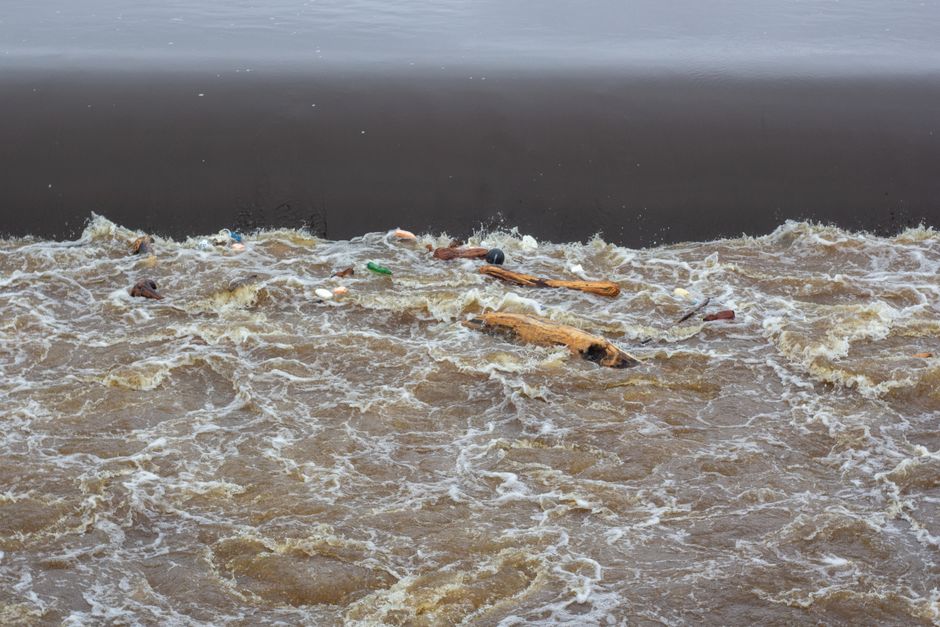
The River Lea is one of those places that can look calm and tidy in the morning, then suddenly collect all sorts of odds and ends by the afternoon. A plastic bag snagged on reeds, a cracked chair, broken fencing, abandoned plant pots, or a pile of mixed waste near an access point can quickly spoil the riverbank. For Ware residents, the issue is not only visual. Riverside rubbish can also create slipping hazards, block narrow paths, attract vermin, and wash downstream after heavy rain.
There is also a local community angle that people sometimes overlook. When one bit of the bank gets messy, more rubbish often follows. It is not always deliberate fly-tipping; sometimes waste blows out of bins, gets left after a DIY job, or is dropped during a busy weekend. But once it starts collecting, it tends to stay. You know how it goes. One bag becomes three. Then a crate. Then something rusted and awkward that nobody wants to touch.
From a practical point of view, riverside clearance matters because it restores usable space. That is important whether you are a homeowner nearby, a landlord, a business owner, a tenant, or someone helping to keep a shared stretch of the river looking cared for. A cleaner river edge can also make routine maintenance easier because you can actually see what is there instead of guessing under the brambles.
Key takeaway: riverside rubbish clearance is less about "cleaning up a mess" and more about protecting access, safety, appearance, and long-term upkeep.
How River Lea riverside rubbish clearance guide for Ware residents Works
In simple terms, riverside rubbish clearance is the safe collection, sorting, loading, and removal of waste from an outdoor riverbank or towpath-adjacent area. The details depend on what is there. A few loose bags are very different from builders' waste, garden cuttings, damp timber, or bulky household items. Mixed waste near water needs a bit more care because it may be awkward to carry, slippery, or partially hidden.
For Ware residents, the process usually starts with a quick look at access. Can a vehicle get close enough? Is there a narrow path, a gate, steps, mud, or uneven ground? Is the waste light and scattered, or heavy and piled up? Those questions shape everything else. To be fair, this is where a lot of people underestimate the job. A small-looking pile near a river can be much harder to remove than it appears from the roadside.
Once the waste has been assessed, it is usually sorted into broad groups: recyclable material, garden waste, general rubbish, and anything that needs special handling. If items are contaminated, waterlogged, sharp, or unusually heavy, they may need separate handling. After that, the waste is loaded and removed, then the area is checked for small fragments that often get missed, like broken glass, bottle caps, nails, or plastic ties.
If you are booking a professional service, you will usually be asked to describe the waste, the access, and the location. Clear information helps avoid delays and makes pricing more realistic. If you are doing it yourself, the same logic applies: plan first, then lift. Not the other way round. That sounds obvious, but in the moment people do tend to grab gloves and dive in.
Key Benefits and Practical Advantages
The obvious benefit is a cleaner riverbank. But there is usually more going on than that. Once rubbish has been cleared properly, the area often feels safer, easier to walk through, and less neglected. A tidy riverside also makes it easier to spot fresh dumping early, which can help stop repeat problems before they build up.
Another practical advantage is time. If you have ever tried to remove mixed waste from an awkward outdoor spot on your own, you will know that the lifting is only half of it. Sorting, bagging, moving, and disposing of everything properly can take far longer than expected. Professional clearance can save a good deal of faff, especially where access is tight or the waste is bulky.
There is also a community benefit. A cared-for river edge encourages better behaviour. People are more likely to treat a tidy space with respect. That is not a magic fix, of course, but it does help. Small thing, big difference. It also supports local pride, which matters in places like Ware where people use the river for walking, commuting, dog walks, and the sort of quiet fresh-air break that clears the head after a long day.
For landlords and property managers, riverside clearance can also reduce complaint risk where waste is visible from homes, gardens, or access routes. For businesses nearby, it can protect presentation and keep entrances, loading areas, or shared paths looking professional. Not glamorous, but real.
Who This Is For and When It Makes Sense
This guide is useful for several kinds of people, and the right solution will depend on the situation. If you are a resident near the River Lea in Ware and you have noticed litter collecting by a bank or path, you may just need a sensible one-off clearance. If you manage a property, you may need regular support to keep shared outdoor areas under control. If you run a business nearby, you may need a prompt tidy-up after deliveries, landscaping, or tenant turnover.
It also makes sense if you are dealing with any of the following:
- Fly-tipped rubbish near a riverside access point
- Garden waste dumped behind fencing or shrubbery
- Bulky household items left outdoors
- Storm debris washed or blown into the bank
- Mixed waste after a clearance, move, or refurbishment
- Pathside litter that is too much for a simple bin bag
Sometimes the right move is not a full clearance at all. If the waste is light, safe, and limited to a small area, a careful DIY tidy-up may be enough. But if there is broken glass, sharp metal, damp items, awkward access, or waste near unstable ground, it is usually better to step back and think through the risks first. No shame in that. The river will still be there tomorrow.
Step-by-Step Guidance
Here is a practical way to approach riverside rubbish clearance without making it harder than it needs to be.
- Assess the area from a distance. Look at the type of waste, the amount, and the access route. If the ground is muddy, sloped, or uneven, take that seriously.
- Separate what is obviously safe to handle. Light litter, dry cardboard, and sealed bags are usually easier. Anything sharp, wet, contaminated, or heavy needs more caution.
- Check whether the waste is mixed. Builders' rubble, garden cuttings, furniture, and household rubbish often need different handling. Mixed loads are common near riverside spots.
- Wear proper kit. Gloves are the minimum. Sturdy footwear matters more than people think, especially on slick grass or damp ground.
- Bag and stack sensibly. Keep recyclables separate where possible. Place heavier items at the base so bags do not split on the carry out.
- Protect the access route. If you are carrying bags through a narrow path, watch for trip hazards, low branches, and passing pedestrians.
- Load and remove efficiently. The less you handle waste, the better. Repeated lifting usually causes the avoidable aches, and nobody enjoys that the next morning.
- Inspect the area again. Look for smaller pieces like wire, bottle fragments, ties, or nails. These are easy to miss but annoying if left behind.
- Dispose of everything correctly. Make sure the waste goes to an appropriate facility or is collected by a service that handles the type of rubbish involved.
If the job feels more complicated once you are actually there, it usually is. That is the moment to pause, not push harder.
Expert Tips for Better Results
Over time, one thing becomes clear: the best riverside clearances are the ones planned around the site, not around the clock. A windy afternoon beside water is a poor time for loose lightweight rubbish. Early morning can be better because the area is quieter and easier to work in. A dry spell helps too, especially where paths or edges are soft underfoot.
Here are a few practical tips that save time and trouble:
- Take photos before you start. Useful for planning, and handy if you need to show what was there before clearance.
- Expect hidden waste. Rubbish near riverbanks often sits under vegetation. What you can see is rarely the whole job.
- Keep sorting simple. Overcomplicating waste categories on site can slow everything down. Group first, refine later.
- Watch the weather. Rain makes banks slick and can turn cardboard or paper into a soggy mess fast.
- Don't overfill bags. A bag that is too heavy is more likely to split, especially on uneven ground.
- Plan for disposal before lifting. It sounds basic, but it saves that awkward moment where everything is bagged and no one knows where it is going.
One small but important detail: if you are clearing a recurring litter hotspot, think about why waste is collecting there in the first place. Is it a wind funnel? A hidden lay-by? A gap in fencing? A shortcut? Fixing the pattern helps more than repeating the tidy-up every fortnight.
Common Mistakes to Avoid
The most common mistake is underestimating the job. A pile by the river looks manageable until you notice the wet bags, the broken crate underneath, and the awkward angle to carry it all out. Then the whole thing changes. Another common issue is trying to handle sharp or contaminated waste without proper protection. That is not worth the risk.
People also sometimes assume all rubbish can be treated the same way. It cannot. Garden cuttings, furniture, builders' debris, and household clutter each behave differently when moved, bagged, or loaded. Another easy mistake is forgetting the approach route. A clear area means very little if you cannot get waste safely to the vehicle.
Other avoidable errors include:
- Leaving small fragments behind because they are tedious to collect
- Mixing recyclable items with general waste for no good reason
- Using weak bags that split halfway to the vehicle
- Ignoring wet ground, slippery leaves, or unstable edges
- Not checking for nails, screws, or glass around old materials
- Starting without deciding how the waste will be removed
And yes, people do occasionally say, "It'll be fine, it's only a quick one." That sentence has caused more hassle than it deserves.
Tools, Resources and Recommendations
You do not need a van full of kit for every riverside tidy-up, but the right basics make a surprising difference. For small jobs, sturdy gloves, strong sacks, a litter picker, a rake, and proper footwear are often enough. For larger clearances, you may also need a wheelbarrow, load straps, dust sheets, and a safe way to move heavier items without dragging them over roots or gravel.
Useful items include:
- Heavy-duty gloves for grip and protection
- Litter picker for light scattered waste
- Strong refuse sacks for mixed rubbish
- Dustpan and brush for fragments and small debris
- Protective footwear with good grip
- Head torch or portable light if visibility is poor near dusk
- Tarpaulin for keeping waste together before loading
If you are comparing ways to deal with a bigger clearance, it helps to look at the type of waste first. For example, a riverside area affected by overgrown garden dumping may need a different approach from a bank with broken furniture and household rubbish. Some residents also pair a riverside clearance with wider tidy-up work indoors or around outbuildings, which can be useful if clutter has spread. In those cases, services like garden clearance, garage clearance, or home clearance may be more relevant than a narrow one-off litter pick.
If you want a better sense of how charges are usually structured, the page on pricing and quotes is a sensible starting point. For larger, mixed or awkward jobs, having a clear quote is far better than guessing and hoping for the best. Nobody enjoys surprise costs. Nobody.
Law, Compliance, Standards and Best Practice
When rubbish is near a river, compliance matters more than people often expect. You do not need to become a legal expert to handle a clearance properly, but you do need to be careful about where waste goes, what you touch, and how you move it. In the UK, waste should be disposed of responsibly and in line with accepted environmental and duty-of-care expectations. If a service is involved, it should handle waste in a traceable and lawful way.
In practical terms, that means avoiding illegal dumping, not placing waste where it could blow back into the watercourse, and making sure the right type of material is handled appropriately. If there is anything hazardous, contaminated, or unusually problematic, it needs more thought than a standard rubbish bag and a van. That could include chemical containers, oily materials, sharps, or anything that looks suspect. Better safe than sorry, really.
Best practice also includes protecting the river environment itself. Do not strip vegetation unnecessarily. Do not push rubbish into the bank because it is easier to hide for later. Do not assume that everything can be moved in one go without causing damage. Good clearance is tidy, careful, and respectful of the setting.
If you are commissioning work, it is worth asking how waste is handled, how safety is managed, and whether the provider has clear policies. For extra reassurance, you can review pages such as insurance and safety, health and safety policy, and recycling and sustainability. Those pages help set expectations around responsible working rather than just quick removal.
Options, Methods and Comparison Table
There is no single right method for every riverside rubbish job. The best option depends on access, waste type, and how much time and effort you want to put in. Here is a straightforward comparison.
| Method | Best for | Pros | Limits |
|---|---|---|---|
| DIY small-scale tidy-up | Light litter, small bags, simple access | Low cost, quick, flexible | Can be unsafe for sharp, heavy, or mixed waste; disposal still needed |
| One-off professional clearance | Bulky items, mixed rubbish, awkward access | Faster, safer, less lifting for you | Needs clear briefing; cost depends on waste and access |
| Regular maintenance clearance | Repeat litter hotspots or shared spaces | Keeps areas tidy and prevents build-up | Requires ongoing planning and budget |
| Combined property and outdoor clearance | Riverside waste plus clutter from nearby property | Efficient if multiple areas need attention | May take longer and need broader scope |
Sometimes the right answer is a blend. For example, a resident might clear light litter themselves, then book help for a dumped sofa or wet garden waste. That mixed approach is often the most realistic one. Not everything needs the same level of intervention.
If the rubbish came from a larger project, the page on builders waste clearance may be more suitable. If it is mostly old furniture or household items, furniture clearance or waste removal may fit better. And if you are dealing with an especially messy situation, it is usually better to choose the service that matches the waste, not just the nearest-sounding one.
Case Study or Real-World Example
Picture a common Ware scenario. A resident notices a patch of riverbank where branches, broken plastic, and a couple of waterlogged bags have collected after a windy week. At first glance it does not look dramatic. But once closer, it turns out there is also an old tray, some glass fragments, and a few heavier bits half-hidden in nettles. The path is narrow, and the ground near the edge is soft from recent rain.
A sensible response is not to rush in. First, the area is checked from a safe distance. Then the rubbish is divided into what can be handled safely and what should be left for proper removal. Gloves, strong bags, and a litter picker help with the lighter items. The awkward heavier pieces are handled separately, with care taken not to drag them over the soft ground. Small fragments are gathered at the end because those are the bits people tend to miss when they are keen to be done.
The real win here is not just that the area looks better. It is that the riverbank becomes safer to use again, and the next round of litter is easier to spot. A few weeks later, the difference is still visible. No big drama. Just a cleaner stretch of river, and a more pleasant walk past it on a damp Tuesday morning when the air smells a bit of wet grass and river silt. That counts.
Practical Checklist
Use this checklist before starting a River Lea riverside clearance job in Ware.
- Confirm the exact location and access route
- Identify whether the waste is light, bulky, mixed, or potentially sharp
- Check the ground for mud, slopes, steps, or trip hazards
- Choose gloves, sturdy shoes, and any other protective kit needed
- Decide what can be removed safely and what should be left for proper handling
- Prepare strong sacks, a picker, and any moving equipment
- Plan disposal before you start lifting
- Keep recyclables separate if practical
- Do a final sweep for fragments, ties, nails, or glass
- Make sure the waste goes to the correct place after collection
Expert summary: the safest, smoothest clearances usually come from good site awareness, simple planning, and not pretending a small problem is always small. That bit alone saves people a lot of grief.
Conclusion
A riverside rubbish clearance job in Ware is rarely just about making a space look neat. It is about safety, access, responsibility, and keeping a shared part of the local environment in decent shape. The River Lea deserves a careful approach, whether you are dealing with a few scattered items or a more awkward mixed pile near the bank. If you plan well, sort sensibly, and respect the conditions on site, the whole process becomes much more manageable.
For some people, a light DIY tidy-up will do the trick. For others, especially where the waste is bulky, wet, sharp, or awkward to reach, professional help is the smarter and safer route. Either way, the goal is the same: remove the mess properly, protect the river edge, and leave the area better than you found it.
Get a free quote today and see how much you can save.
And if you are still weighing up the best next step, that is fine too. A calm, well-timed decision is usually better than a rushed one, especially by the water.
Frequently Asked Questions
What counts as riverside rubbish clearance?
It usually means removing litter, dumped bags, bulky waste, garden debris, or mixed rubbish from a riverbank, towpath edge, or nearby access point. The key difference is that the setting is outdoors and often harder to access than an ordinary driveway or room clearance.
Is it safe to clear rubbish beside the River Lea myself?
Sometimes, yes, if the waste is light, dry, and easy to reach. But if there is broken glass, sharp metal, wet waste, unstable ground, or bulky items, it is safer to slow down and consider professional help. The river edge is not the place to take avoidable risks.
How do I know whether the waste is too much for a DIY tidy-up?
If you cannot remove it in a few manageable loads, if the access is awkward, or if you need more than basic gloves and bags, the job is probably bigger than it looks. Mixed waste and hidden debris are especially easy to underestimate.
What should I do if the rubbish looks hazardous?
Do not handle unknown containers, oily materials, sharps, or anything that smells unusual or looks contaminated. Keep clear of it and arrange proper advice or removal. Better to leave suspicious waste untouched than to make a bad situation worse.
Does riverside rubbish clearance include fly-tipped waste?
Yes, it often does. Fly-tipped items are common near access routes, secluded banks, and side paths. They may include household rubbish, furniture, bags of mixed waste, or leftovers from building work.
What is the best time of year for riverside clearance?
Dryer, calmer weather usually makes the job easier. Spring and early autumn often work well, but the right time depends more on conditions on the day than on the calendar. Wet ground and strong wind can turn a simple clearance into a slog.
Can rubbish near the river attract pests?
Yes, especially if waste is food-related, damp, or left for a long time. Even if it starts as a small pile, it can become a nuisance quickly. That is one reason prompt removal matters.
How should recyclable waste be handled near a riverside site?
Where practical, separate recyclable items from general waste before removal. That makes disposal cleaner and often easier to manage later. It also helps support a more responsible clearance approach.
Will a clearance service handle bulky furniture from a riverbank?
Often yes, provided the access is workable and the items are described accurately in advance. Bulky items are common near outdoor spaces, so it helps to mention size, weight, and any awkward carrying distance before booking.
What details should I give when asking for a quote?
Describe the type of rubbish, how much there is, how easy it is to reach, and whether anything is especially heavy, sharp, or wet. A clear description usually leads to a more useful quote and fewer surprises later.
Are there any local issues Ware residents should think about?
The main issues are access, riverbank safety, and preventing rubbish from being left where it can blow or wash back. Ware's riverside areas can be pleasant but fiddly, so a careful approach matters more than trying to do everything in one rush.
What is the biggest mistake people make with riverside rubbish?
Probably assuming it will be a quick grab-and-go job. Once waste is near water, hidden debris, muddy ground, and awkward access can all slow things down. A little planning saves a lot of bother.
If you are ready to clear a riverside mess properly, take the simple route first: assess the site, choose the safest method, and get help if the waste is bigger or trickier than expected. A tidy river edge really does change how a place feels, and sometimes that small change is the most satisfying bit of all.