House Clearance Ware: Recycling and Sustainability
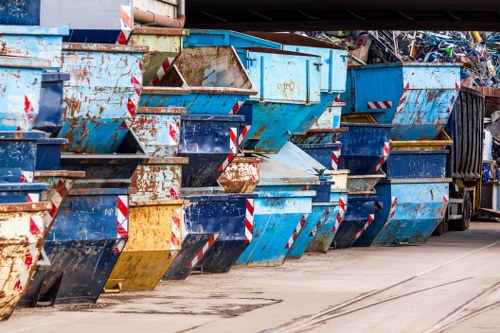 House Clearance Ware is committed to creating an eco-friendly waste disposal area approach that puts the environment first. We operate a clear, auditable process for sustainable clearance and responsible disposal, ensuring that every item collected is assessed for reuse, repair, recycling or safe disposal. Our policies are designed to support a circular economy and reduce the volume of material sent to landfill while serving local communities across boroughs and districts.
We set measurable goals: our primary recycling percentage target is to achieve a 70% recycling and reuse rate by 2030. To reach this, we combine on-site sorting, partnerships with re-use charities and furniture banks, and direct deliveries to local transfer stations. Reducing carbon output from collections is equally important, which is why we invest in route optimisation and low-emission vehicles.
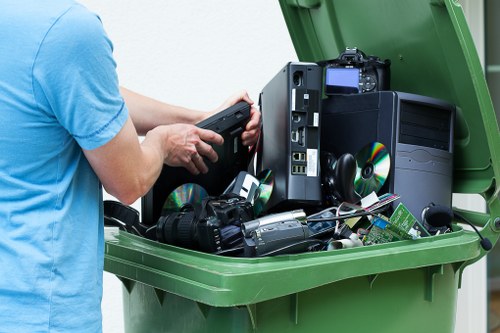 Our sustainable rubbish area practices include segregating materials at source and transferring separated streams to municipal facilities and specialist recyclers. We prioritise items that can be rehomed — furniture, appliances, textiles and working electrical goods — and ensure hazardous items are handled in line with regulations. Every clearance is evaluated to maximise diversion from landfill and to follow borough-specific approaches to waste separation, such as separate food waste collection, glass and metal streams, and targeted bulky waste handling.
How we handle waste in practical terms is simple and transparent. We use purpose-built sorting bays at our depot to separate dry recyclables, wood, metal, textiles, electrical items and residual waste. Where boroughs operate a three-stream or four-stream kerbside collection system, our teams mirror those streams to keep contamination low and to speed up onward processing. This alignment with local authorities makes our eco waste disposal services more efficient and compliant.
 We maintain close links with local transfer stations and municipal facilities to ensure each waste stream is routed correctly. Typical transfer stations we use include:
- Central Borough Transfer Station for mixed dry recyclables
- Riverside Transfer Station for bulky and inert waste
- Northside Transfer Station for wood and construction-type materials
Partnerships with charities and reuse organisations
We actively partner with local charities, furniture banks, social enterprises and community reuse centres to divert items for direct reuse. Items in good condition are cleaned, repaired if necessary and allocated to partners who distribute them to families, community projects and low-income households. Our collaborations include smaller community trusts, large-scale donation schemes and independent repair workshops that extend product lifespans and support local social value initiatives.Low-carbon vans and smarter logistics are central to our sustainable rubbish collection strategy. We operate a growing fleet of low-emission vans and electric-assisted vehicles to reduce tailpipe emissions on every job. Through investment in electric and hybrid vans, plus telematics driven route optimisation, we minimise mileage, avoid unnecessary trips and cut fuel consumption. These measures support our wider objective of lowering embodied carbon across the clearance lifecycle.
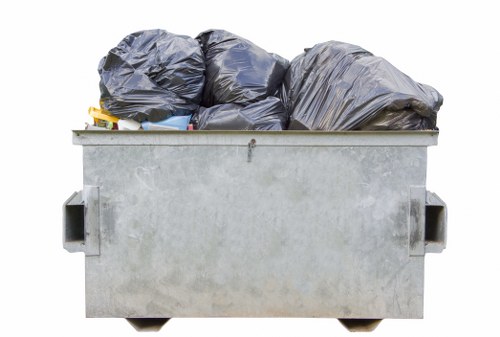 In addition to vehicle improvements, we emphasise reuse-first policies: reselling viable furniture, diverting electrical goods to certified e-waste processors and ensuring construction-type wastes are reclaimed where possible. Our teams are trained in borough-specific waste separation rules — for example, some boroughs require food and garden wastes to be kept separate, while others use combined green waste bins — and we adapt our sorting accordingly to prevent contamination and maximise recovery.
Monitoring progress and staying accountable
We publish regular internal reports that track our recycling percentage target and other sustainability metrics. These include tonnage diverted to reuse, the percentage of materials recycled at transfer stations and reductions in transport emissions resulting from our low-carbon van programme. Transparency matters: by measuring outcomes we can refine processes, increase the proportion of items rehomed and demonstrate continual improvement in our green waste disposal and sustainable rubbish area operations.Across all our operations we emphasise best practice: detailed pre-clearance audits, clear signage in our sorting yards, and ongoing training for staff on safe, compliant handling of hazardous items like batteries, solvents and asbestos-containing materials. We work with licensed hazardous waste contractors where necessary, ensuring these materials are isolated and processed correctly rather than ending up in general waste streams.
Our aspiration is to set a new standard for eco-friendly waste disposal area services in the region: integrating borough-led waste separation approaches, supporting local transfer stations, and expanding partnerships with charities so that as many items as possible find a second life. The result is a cleaner environment, stronger communities, and a sustainable model for rubbish clearance that prioritises people and planet.
By focusing on reuse, recycling, and low-carbon transport we make responsible clearance straightforward for clients while contributing to local circular economy goals. House Clearance Ware remains dedicated to improving our recycling percentage target year on year and to investing in the infrastructure and partnerships that make sustainable waste disposal practical and effective.
