House Clearance in Ware

House Clearance Ware provides a practical service for clearing homes, flats and other domestic properties in a way that keeps the job organised from the first visit through to the final tidy-up. The focus is on removing unwanted furniture, general household contents and other items that need to be taken away carefully, while leaving the property ready for its next use. Where a clear plan matters, we can handle the work in stages so the clearance fits around access, layout and the type of items involved.
For many customers, the main value is having one team deal with sorting, lifting and removal without adding extra disruption. We work across a range of household clearances, from single rooms to whole-property jobs, and can also deal with common bulky items that are awkward to move. If you are comparing options, start with the service details that matter most to your property and then request a quotation once you know the scope.
Our service can also be used when a property needs emptying before a sale, letting change or refurbishment. We aim to keep the process straightforward: identify what stays, identify what goes, and then remove the agreed items in a safe and orderly way. House clearance is the main service page if you want a fuller view of the core offering before you decide how much work needs doing.
What we clear as part of a house clearance
House clearances often include a mixture of furniture, boxed household items, soft furnishings and general clutter that has built up over time. We can remove items from living rooms, bedrooms, kitchens, loft spaces and storage areas, provided they are part of the agreed clearance. In many cases, the work is not just about volume but also about moving items out in a sensible order so that access routes stay manageable and breakables are treated with care.
Because every property is different, the scope of a clearance is usually shaped by the rooms involved, the volume of contents and any items that need separate handling. A few heavier pieces may take more planning than a large number of lighter bags, while awkward access can affect how the work is carried out. If you are preparing a request, it helps to note the rooms involved, the larger items present and any restrictions on parking or access so the quotation can reflect the actual job.
Typical household items that may be included are:
- sofas, armchairs and dining furniture
- beds, mattresses and wardrobes
- small appliances and white goods
- boxes, ornaments and mixed household contents
- garage, loft or cupboard items that are part of the same clearance
Furniture removal and item-specific disposal
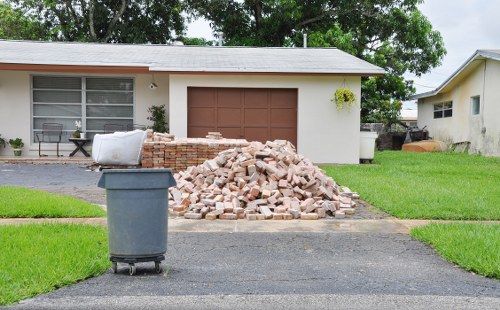
Where a house clearance includes larger furnishings, it can be helpful to separate the furniture work from the rest of the contents so the removal is easier to plan. Heavy or bulky pieces often need more than one person, especially where stairways, narrow halls or tight turns are involved. We can take away individual items or a full set of furniture, depending on what the property requires and what you want to keep.
There are also times when only certain items need to go, rather than a whole houseful of contents. In those cases, a narrower service can be enough, particularly if the job involves beds, wardrobes, tables or other large pieces that are difficult to move safely without the right approach. Furniture clearance is a useful option when the main job is centred on bulky household items rather than a full-property emptying.
For customers who want a more targeted route, the removal of one or two large items may be quicker to organise than a complete clearance, but it still benefits from accurate details at the outset. The shape, weight and location of the item can all affect the work involved, along with whether disassembly is needed before removal. Furniture disposal covers those situations where the key issue is getting individual items taken away responsibly and efficiently.
Rooms, outbuildings and storage spaces
House clearance work is often broader than the main living rooms. Lofts, garages, sheds and basements can hold old belongings, spare furniture or long-unused household items that need attention as part of the same project. These spaces are usually easiest to handle when the clearance is planned room by room, because that makes it clearer which contents are being removed and which items should remain in place.
We can also deal with mixed areas where domestic storage has spread beyond the house itself. That might include a garage packed with boxes, a loft filled with seasonal possessions or an outbuilding containing broken furniture and household leftovers. Garage clearance is one example of a more specific service page for areas where stored items have become the main part of the job.
Where space has become difficult to use, the practical aim is to take away the agreed contents without causing unnecessary disruption to the rest of the property. Clear access, a sensible removal order and accurate information about what is stored there all help keep the work organised. Loft clearance is relevant when items are tucked away above the main rooms and need to be removed with extra care for access and handling.
Home and flat clearance options

Some jobs are best described as a general home clearance, while others are more specific to a flat or apartment layout. The difference matters because access, stairs, shared entrances and parking arrangements can all affect how the clearance is carried out. We can work with either type of property, adjusting the approach to suit the building and the amount of contents that need to be removed.
A flat clearance may require more careful planning around communal areas, while a full home clearance may involve multiple rooms and storage spaces spread across several levels. Home clearance is a sensible starting point when the job covers the whole property but is not limited to one room or one category of item. It helps set expectations around scope before you decide whether a broader or more specific page is the better fit.
When the property is a flat or apartment, the volume of contents is only one part of the picture. Lift use, stair access and the timing of the work can all influence how the removal is organised. Flat clearance is the page to look at when the property type itself is central to the job and the clearance has to be planned around the building layout.
How we prepare a quotation
A clear quotation usually starts with a plain description of what needs to be removed and where it is located. If you can identify the main rooms, the larger items and any awkward access points, it becomes easier to estimate the work involved without overcomplicating the process. This is particularly useful on jobs where some belongings stay behind and only part of the property is being emptied.
Good information also helps where the clearance includes mixed contents or special access. A short list of items, a description of the floor level and a note about any narrow entrances can be enough to establish the likely scope. In some cases, photographs or an inventory help show the scale of the work, but the important point is that the quotation should reflect the actual clearance rather than a rough guess. Pricing and quotes is the best page to review when you want to understand how estimates are typically prepared.
If you are ready to move on, you can ask for a quotation with the rooms, items and access details that best describe the job. A little preparation at this stage often makes the next step simpler, especially where the property contains bulky furniture, boxed contents or a combination of different areas that all need clearing together.
Waste removal, recycling and responsible sorting
Not every clearance is limited to furniture or domestic possessions. Some properties also have mixed waste that has accumulated alongside household contents, and that material may need to be removed as part of a broader clear-out. A sensible approach is to separate reusable items, recyclable material and general waste so the job is handled in an orderly way and the right route is used for the contents being taken away.
This is where a more general removal service can be useful, especially if the clearance includes bags of mixed waste, broken household items or material that does not fit neatly into one room-based category. Waste removal covers those wider jobs where the focus is on taking away refuse and mixed loads rather than only one kind of domestic item. It can sit alongside a clearance where the contents are varied.
Where possible, sorting the work properly also supports better reuse and recycling decisions. Some items are suitable for separate handling because they are still usable, while others need disposal because they are damaged or no longer needed. Recycling and sustainability is the relevant page if you want to understand the general approach to sorting materials and handling them with attention to reuse and recovery where appropriate.
Businesses, access and larger clearance projects

Although the core service here is domestic house clearance, some customers also need help with properties that include workrooms, storage areas or mixed-use spaces. In those cases, the key is still the same: identify what must be removed, then plan the clearance so it does not interfere with the parts of the property that remain in use. That is especially important when the job involves heavier items, paperwork, stock or old office furnishings mixed with household contents.
If your requirements are broader than a standard home, it may be worth looking at the pages that match the wider setting of the job. Office clearance is relevant where desks, filing items or workplace furniture need removing, while business waste removal suits commercial premises with assorted waste streams. These are separate from a domestic house clearance, but they can be useful when a property contains more than one type of contents.
Some larger jobs also sit alongside building-related work, especially where refurbishment leaves behind debris, packaging or unwanted materials. In those situations, a different service category may be a better fit than a standard household clear-out. Builders waste clearance is the page to use when the main concern is post-work waste rather than domestic furnishings or household contents.
About Ware
Ware is a historic town in Hertfordshire, set in the Lea Valley north of London and close to the River Lea and the River Stort corridor. Its position on traditional transport routes helped shape its development, and the town is associated with a long history of river navigation, market activity and local trade. Ware’s town centre still shows a layered character, with older streets, listed buildings and later civic and retail development sitting alongside one another. The rivers and canal features around the town add another dimension, giving the area a stronger sense of landscape and movement than a purely suburban settlement. Ware is also known for Ware Priory, a substantial historic site with origins that stretch back many centuries and which remains one of the town’s best-known landmarks. Nearby open spaces, including the parks and walks along the riverside, provide a contrast to the built-up centre and are part of the town’s everyday appeal. The place-name is short, but the town itself has a varied background that reflects centuries of change in settlement, commerce and architecture. That mix of older structures, waterways and more modern development gives Ware a distinct identity within Hertfordshire, with heritage features still visible in the everyday grain of the town.
House clearance choices for different property conditions
Some clearances happen because a property is being prepared for a new owner or occupier, while others come about because rooms have become difficult to use and need resetting. The condition of the property affects how the work is approached. A lightly furnished home may only need a few larger items taken away, whereas a long-unoccupied property may involve many rooms and a wider range of contents that need sorting before removal.
In practical terms, the most useful service is the one that matches the condition of the property and the amount of content left inside it. A clearance that includes furniture, clutter and stored belongings usually takes a different approach from a simple one-room removal. Where the work is straightforward, the emphasis may be on efficient lifting; where the contents are varied, the emphasis shifts to careful sorting and deciding what is to stay, what is to go and what needs separate handling. About us gives a broader company overview if you want a little more background before deciding how to proceed.
If you are comparing services, it can help to think in terms of the actual contents rather than just the room count. The right choice is often the one that matches the type of items and the amount of preparation needed, not just the size of the building. When you have that clearer picture, the quotation request becomes more precise and the clearance itself can be arranged more smoothly. Contact us is the page to use for the final step when you are ready to send through the job details.
Getting the property ready for removal

Preparing for a house clearance does not need to be complicated, but it is worth separating the items that are definitely going and the items that must remain. That simple distinction reduces confusion on the day and helps the clearance proceed in the right order. If there are fragile items, documents or valuables that should not be moved, it is best to make that clear before the work begins so they can be left safely in place.
It can also help to keep access routes as clear as possible. Hallways, staircases and doorways are often the main routes for moving bulky items, so a little preparation there can make the work easier to manage. If you want to create a concise handover, a short written note covering the rooms involved, the larger furniture pieces and any access limits is usually enough. Insurance and safety is useful if you want to read more about the care expected during removal and handling.
Once the scope is clear, the last step is simple: request a quotation and give enough detail for the job to be assessed properly. Whether the clearance is for one room, a flat or a full home, a well-described request helps keep the process practical and avoids unnecessary back and forth. If your property includes mixed items or stored contents, it is worth mentioning that at the same time so the quotation reflects the whole job.